
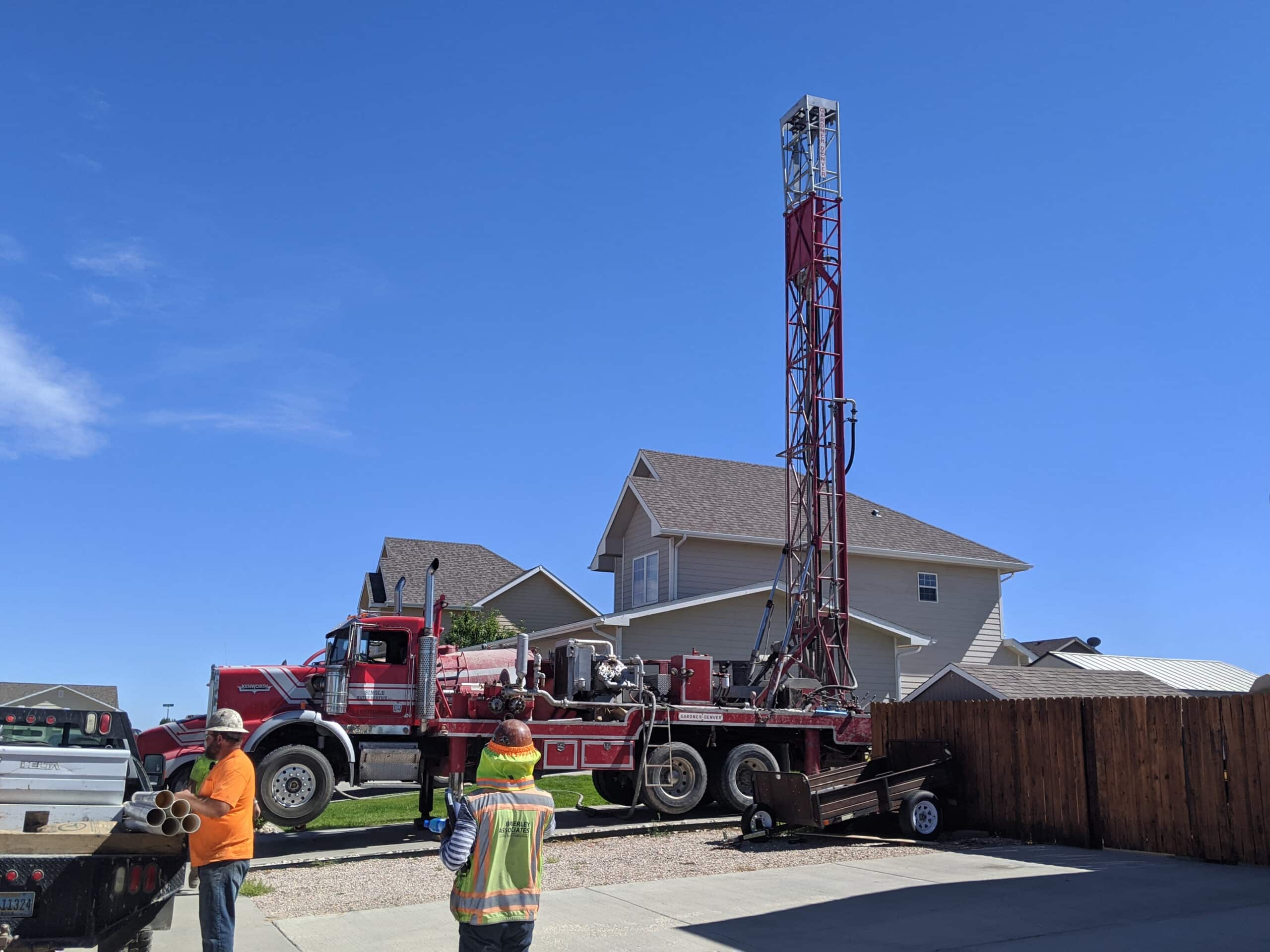
 Subsidence investigations at abandoned mine land (AML) sites are only as reliable as the methods used to conduct them. Across the United States, engineers and program managers draw on a broad toolkit — geotechnical drilling, laboratory testing, surface and downhole geophysics, remote sensing, and more — yet selecting the wrong method for a given site can produce results that are not just incomplete, but actively misleading.
The Core Challenge: Method-Site Mismatch
Variability in geology, depth to mine workings, and groundwater conditions can significantly affect the feasibility and accuracy of any investigative approach. A technique that performs well in one region, or even at a single site, may yield limited or inaccurate results under different conditions. The problem, in many cases, is not a lack of data. It is a mismatch between the method selected and the conditions present.
When subsurface conditions are mischaracterized, the consequences extend well beyond the investigation itself. Incorrect delineation of mine workings can lead to improper hazard classifications, causing sites to be either underestimated or overestimated in terms of risk. That, in turn, can unintentionally skew prioritization decisions for future investigation or mitigation.
A Practical Decision-Making Framework
Drawing on multi-state project experience, Brierley Associates’ Joshua Zimmermann presents a practical framework for matching investigation techniques to site-specific conditions. The framework addresses:
- Geology and depth constraints: How subsurface variability affects method selection and reliability
- Site suitability: Access limitations, depth constraints, and conditions that favor or preclude specific approaches
- Cost tradeoffs: Relative cost considerations across methods and how to weigh them against project objectives
- Common pitfalls: The investigative missteps most likely to produce mischaracterized conditions and how to avoid them
Josh Zimmermann, PE, will present this paper at the upcoming National Association of Abandoned Mine Lands Programs (NAAMLP) at 9:00 am on Wednesday, September 23rd, 2026.