
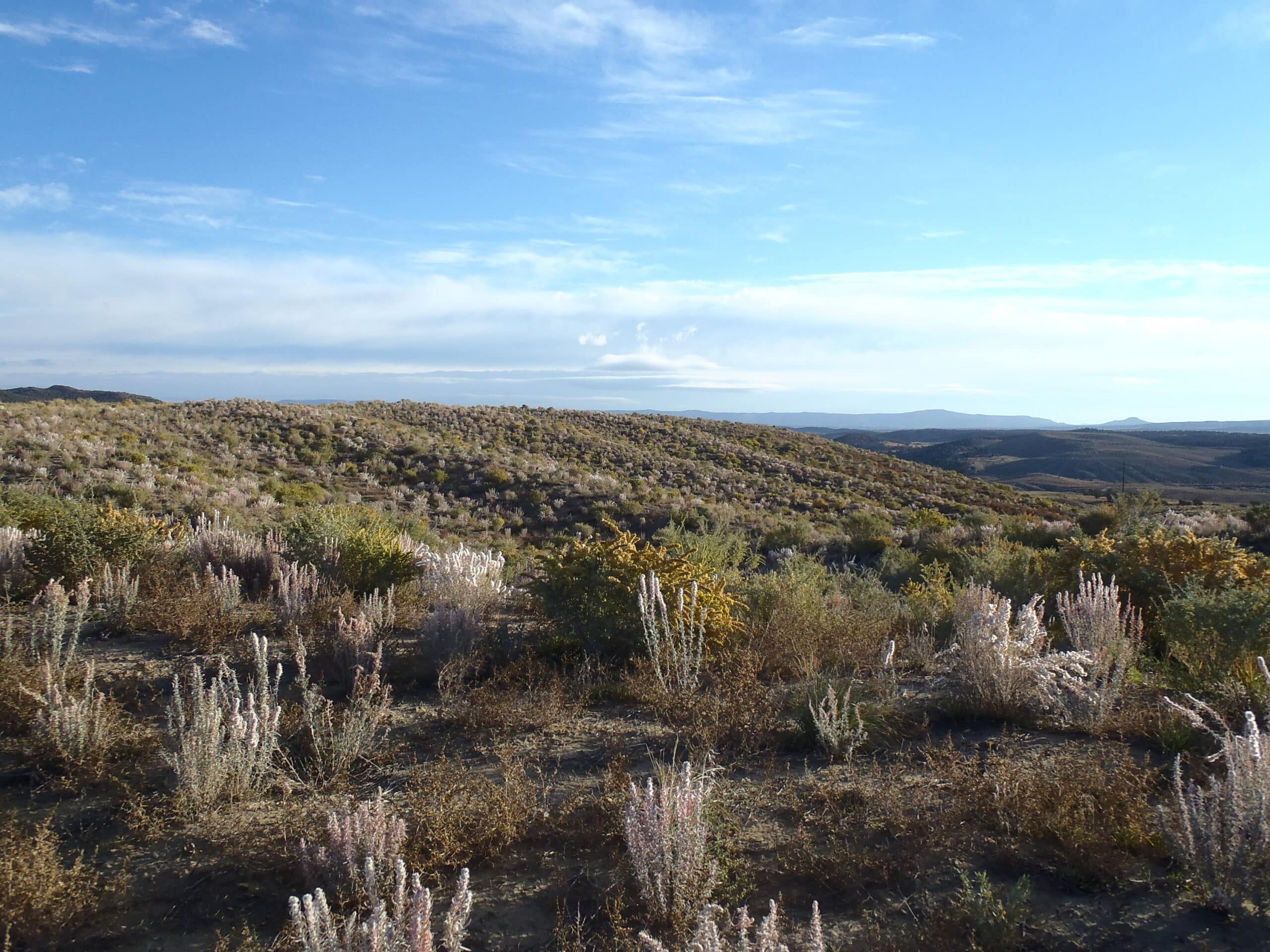
 As the mining industry continues to advance sustainable reclamation practices, Geomorphic Reclamation Design (GRD) has emerged as one of the most innovative approaches for restoring disturbed landscapes. Unlike traditional reclamation methods that rely on uniform slopes and engineered grading, GRD seeks to recreate natural landforms modeled after stable watersheds and fluvial geomorphic processes.
Developed and refined through methods such as GeoFluv™, GRD uses data from naturally functioning landscapes to design integrated drainage networks, balanced hydrology, and self-sustaining terrain. The objective is not simply to create a visually natural appearance, but to establish landforms that function like natural systems. When applied correctly, GRD can reduce sediment yield, improve water quality, support diverse vegetation communities, and significantly decrease long-term maintenance requirements.
Advantages and Benefits of GRD
A key advantage of GRD is its emphasis on natural processes. By incorporating features such as appropriate drainage density, channel geometry, and smooth convex-to-concave slope transitions, reclaimed sites can achieve long-term stability without depending heavily on artificial erosion controls.
Despite these benefits, GRD is often misunderstood and improperly implemented. One of the most common misconceptions is treating geomorphic design as an aesthetic enhancement rather than a science-based methodology. In some cases, projects mimic the appearance of natural landscapes while failing to replicate the underlying hydrologic and geomorphic processes that make those landscapes stable.
Implementation challenges frequently stem from inadequate reference site analysis, improper drainage design, overly steep slopes, or attempts to integrate geomorphic elements into otherwise conventional reclamation plans. These shortcomings can result in erosion, instability, and ongoing maintenance needs, ultimately undermining the goals of reclamation.
Successful geomorphic reclamation requires more than software, terminology, or visual resemblance to natural terrain. It depends on rigorous field data collection, comprehensive system integration, and strict adherence to established geomorphic principles. As interest in sustainable mine reclamation grows, understanding both the promise and the potential pitfalls of GRD will be essential to achieving resilient, long-lasting reclamation outcomes that truly function as intended.
Edward Epp, CPG, PG and David Hibbard, CPG, PG will present this paper at the upcoming National Association of Abandoned Mine Lands Programs (NAAMLP) at 3:30 pm on Monday, September 21, 2026